

 Members of the animal rights community have criticized the practices of the College of Veterinary Medicine at historically Black Tuskegee University in Alabama. The veterinary school uses stray and abandoned dogs from local pounds for clinical research. The dogs are euthanized and students at the university are able to use the bodies of these animals for clinical research and teaching activities.
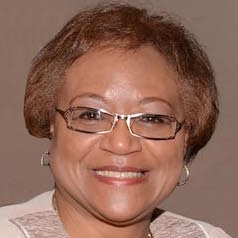 Ruby Perry, dean of the College of Veterinary Medicine, states that “0ur use of animals to prepare the next generation of veterinary practitioners is endorsed by many professional and industry groups that regulate our use of animals as part of our teaching efforts. These groups, as well as schools of veterinary medicine across the country, regard this type of surgical experience essential to preparing skilled, future veterinarians.”
Tuskegee points out that it has adopted guidelines recommended by the American Veterinary Medicine Association that call for:
* Replacement of animals with non-animal methods whenever feasible.
* Reduction of the number of animals used consistent with sound experimental design.
* Refinement of experimental methods to eliminate or reduce animal pain and distress.
In a statement, the College of Veterinary Medicine explains that “converting to a fully synthetic teaching approach would come with its own concerns. First and foremost, veterinary medicine students’ real-world experience would be severely limited, perhaps making them less-prepared for their future post-graduate care of their sick animal patients. Second, it can be costly, with each synthetic model ranging in cost from $25,000 and $50,000. Limited financial resources may restrict access by a class of 20-plus students to one synthetic model — again, impeding the experience these students will require for real-life practice.”

I would never take any of my animals to a veterinarian who was taught practicing on euthanized strays. For me that shows total disregard by someone who is supposed to be protecting and healing those little guys. What a sick practice. Would you take a parent to a doctor who was trained by using the bodies of deceased elderly. Really a bizarre idea that what they do is okay and standard. That is completely desensitized at best.